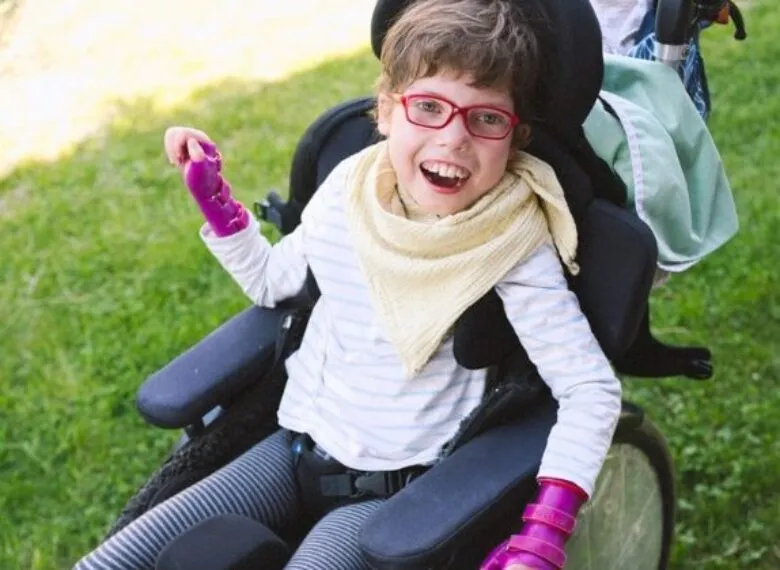
Quality of life is believed to be widely measured in research and care, but existing tools may not accurately reflect the experiences and priorities of children with specialized healthcare needs, as defined by their parents. In a recent article published in Quality of Life Research, research staff from the Center for Innovation in Social Work and Health (CISWH) at BU School of Social Work (BUSSW) worked with a team led by the University of Colorado Denver to examine how meaningful quality of life (QoL) has been measured among children and youth with special healthcare needs (CYSHCN).
Through a scoping review of the literature, CISWH Senior Project Directors Meg Comeau and Bethlyn Houlihan conducted an interdisciplinary analysis of existing survey tools used to assess QoL for CYSHCN. The research team, which included representation by persons with lived expertise, explored whether these measures fully capture the lived experiences and priorities of CYSHCN. The review highlighted the wide range of QoL surveys used in research and clinical settings and identified distinct gaps and priorities. After careful review, the authors identified 305 articles representing 47 unique QoL surveys developed or validated for CYSHCN.
Key Findings
- Few surveys were originally designed for or with CYSHCN and their families – Most of the surveys used to measure QoL were created for broader pediatric populations and later adapted for children with special healthcare needs. Contributions made to survey design by persons with lived expertise were rare. As a result, some tools may not fully reflect the unique experiences and priorities of CYSHCN and their families.
- Wide variation across quality of life surveys – The review found many different surveys were used to measure QoL, and they often measured different aspects of children’s lives. This variation makes it difficult to compare results across studies or identify a common way to measure QoL for CYSHCN.
- Important aspects of daily life are sometimes missing – Many surveys measure emotional and social well-being, but few include other contributing factors such as financial stability, environmental conditions, or the health, education, and social systems and supports children and families rely on.
The authors recommended that future work should prioritize developing and validating QoL measures in partnership with CYSHCN and their families so that surveys better capture their priorities and provide more meaningful tools for research, clinical care, and systems improvement.
The review also found that many QoL surveys treat physical functioning as a central indicator of quality of life. While physical health is an important dimension, equating functional ability with quality of life may overlook how children with disabilities participate in community life.
The authors recommended that future work prioritize developing and validating QoL measures in partnership with CYSHCN and their families so that surveys better capture their priorities and provide more effective tools for research, clinical care, and systems improvement.
Related News


Stay in the Know
Get the latest news on research, policy, and practice in social work and health right in your inbox. Subscribe to stay in the know.